Senior Tech Safety Guide
Best GPS Trackers for Seniors With Memory Concerns in 2026
A GPS tracker is not just a device. It is a family agreement about safety, dignity, consent, charging, privacy, and who responds when location alerts arrive.
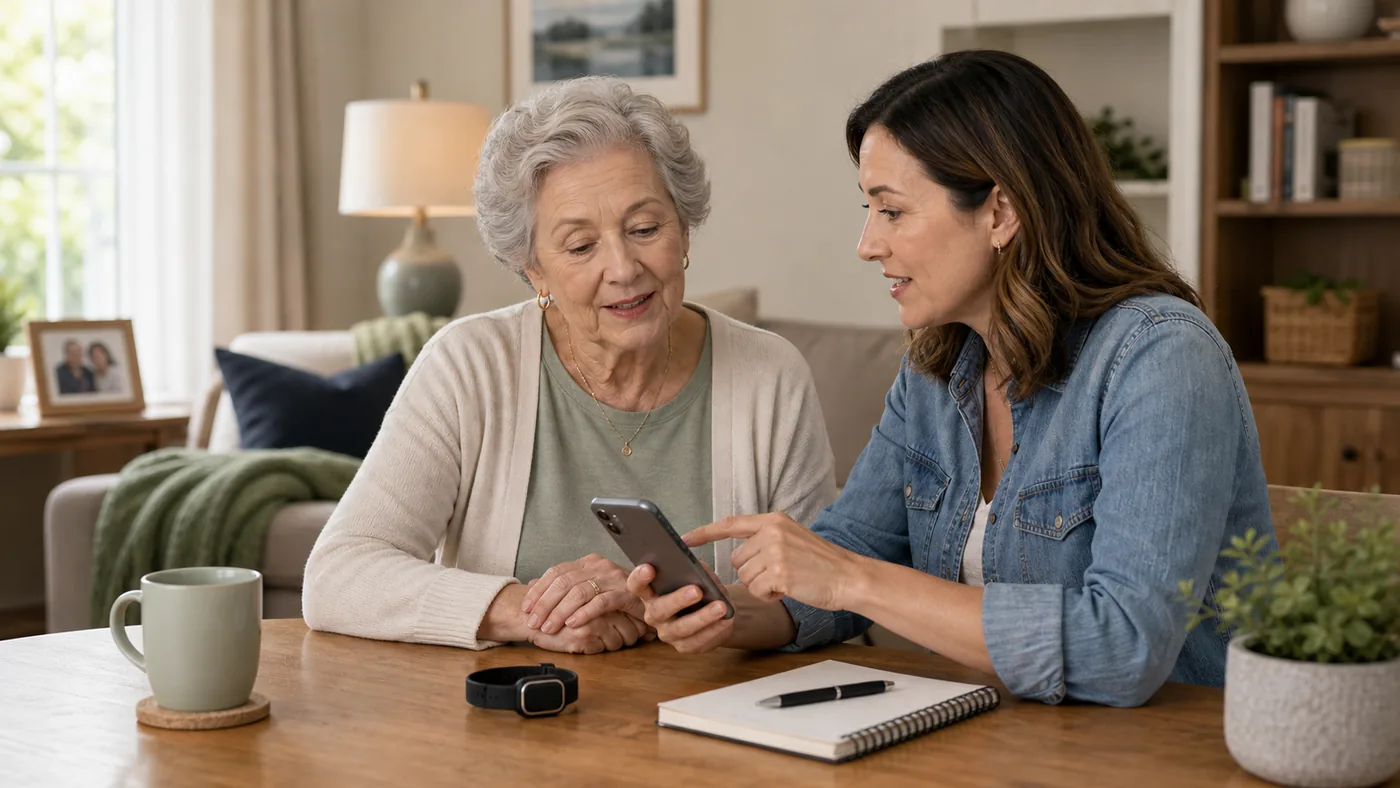
Use GPS tools only for a specific risk, such as wandering, getting lost, or unsafe solo trips. Do not treat location tracking as a default for every older adult.
When possible, the older adult should understand and agree to the tool. For dementia or memory-related risks, involve caregivers and clinicians in a respectful safety plan.
GPS Direction by Situation
| Situation | Best direction | Why it helps | Check carefully |
|---|---|---|---|
| Uses smartphone reliably | Phone location sharing | May avoid another device and subscription | Battery, settings, app permissions, phone carrying habit |
| May leave without phone | Wearable GPS device | Stays with the person more reliably than a phone | Charging, comfort, cellular coverage, subscription |
| Wandering risk at home | Door sensor plus response plan | May catch exit events earlier than location tracking alone | False alerts, privacy, who responds |
| Caregiver needs boundaries | Geofence alerts | Can notify when someone leaves a defined area | Accuracy, delays, alert fatigue, emergency steps |
Phone location sharing
If the person already carries a phone, built-in sharing can be the least intrusive first step.
Good fit when
- The phone is usually charged and carried.
- The person understands the sharing.
- Family knows how to check location.
Watch out for
It fails when the phone is left behind, powered off, or out of service.
Dedicated GPS wearable
A wearable can help when the person may leave without a phone.
Good fit when
- Wandering risk is real.
- The device is comfortable enough to wear.
- A caregiver owns charging and alerts.
Watch out for
Monthly fees and cellular coverage can make or break the system.
Door alerts plus GPS
For wandering risk, knowing someone left may matter before knowing where they are.
Good fit when
- Exit events are the main concern.
- There is a written response plan.
- Multiple caregivers may need alerts.
Watch out for
Too many false alerts can cause caregivers to ignore the system.
Family Decision Checklist
- Name the risk: wandering, getting lost, driving concerns, or missed check-ins.
- Discuss consent: involve the person when possible and explain the safety reason.
- Assign response: decide who gets alerts and what they do first.
- Test charging: a dead tracker is no tracker.
- Review privacy: limit access to people who genuinely need it.
FAQ
Is it ethical to use GPS tracking for dementia?
It depends on risk, consent, capacity, and family context. The goal should be safety with as much dignity and transparency as possible.
Is a phone enough?
Sometimes. It works only if the person carries it, keeps it charged, and leaves settings enabled.
What matters more than accuracy?
Response. A location alert is only useful if someone can act quickly and appropriately.
Is it legal to GPS track an elderly parent?
When the person consents, tracking is straightforwardly legal and widely recommended. Without capacity to consent, most families and courts treat safety-focused tracking as acceptable within caregiver duties, but tell other family members, keep the device open rather than hidden, and document the safety reasoning.
Do GPS trackers for seniors require a monthly fee?
True cellular GPS devices do, because they use mobile networks to report location. Plans typically run from modest monthly fees for basic trackers to premium tiers for dedicated dementia devices with live monitoring. Bluetooth-only tags like AirTags have no fee but only work near other people’s devices.
Can a GPS tracker be put in shoes?
Yes, insert-style trackers sit under the insole and survive dressing changes better than wristbands, which some people remove. Check battery life and whether the insert fits the shoe comfortably. For people who shed devices, pairing a shoe insert with a sewn-in ID label adds a second safety layer.
2026 product decision layer
Real Products to Compare Before You Buy
These are comparison candidates, not affiliate picks. Recheck current price, plan terms, coverage, and return policy before adding any buying link.
| Candidate | Best fit | Why it belongs in the comparison | Watch before buying |
|---|---|---|---|
| Apple Watch with Family Setup | Wander-risk users in an iPhone family | Location sharing, geofence alerts, fall detection, and a locked-down setup the wearer cannot break | Daily charging discipline; watch-band comfort; smaller display for low vision |
| AngelSense Guardian GPS | Dementia wandering with serious elopement risk | Dedicated tracker with live tracking, geofencing, voice-in, and alerts designed for vulnerable users | Highest subscription tier in class; dedicated device worn daily; sensor needs charging routine |
| Jiobit or LandAirSea GPS tracker | Shoe, belt, or pocket tracking on a budget | Small tag-style trackers with real-time location and history on a cheaper plan | No two-way communication; clipping security; battery varies by report frequency |
| GPS smartwatch (TickTalk or similar kids-senior crossover) | Users who reject dedicated trackers but accept a watch | Calls plus GPS in one wearable, with caregiver app control | Design reads youth-market; fall detection quality varies; verify carrier coverage |
| Medical Guardian with GPS (Mini Guardian) | Users combining wander risk with medical alert needs | On-the-go help button with GPS location to monitoring agents, no smartphone needed | Monthly monitoring cost; button-press model unless premium auto-detection tiers |
Price and plan terms to recheck before linking
- Tracking ethics first: whenever possible agree on the device with the person, not just about them; consent conversations preserve dignity and cooperation.
- Shoe-insert trackers survive longer than wristbands in dressing changes, but check removal alerts whichever form you choose.
- Bluetooth tags like AirTags are cheap but only work near other people’s phones; rural areas need true cellular GPS.
Best editorial recommendation
For iPhone families with mild wander risk, Apple Watch Family Setup is the gentlest start. For real elopement history, AngelSense or a monitored GPS device is worth the subscription.